Posts

Week 10- Extreme Weather- Iceland
Image
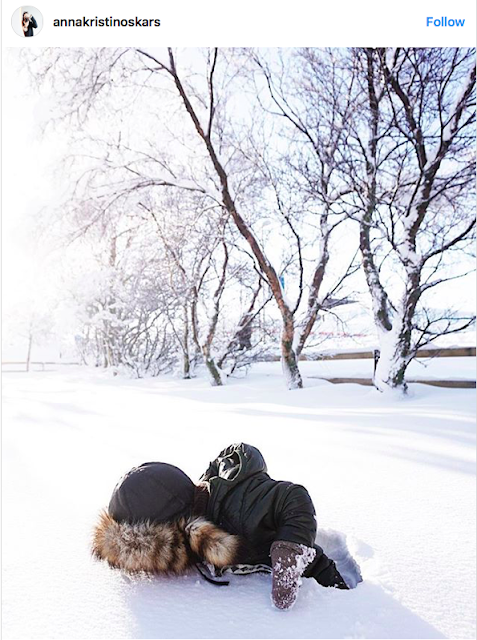
This week we learned about extreme weather. The occurrence that caught my attention the most was blizzards. Besides the holidays, the only other reason why I love winter is because of the snow. Is it so pretty and makes everything look so nice, it just warms my heart! (As contradicting as it sounds!) Of course this is to a certain extent, heavy snow fall can create dangerous conditions. Chapter 9 of our books explains that blizzards are created by heavy snow falls and blowing winds which create low visibility for long periods of time. When low visibility becomes extreme it is called a whiteout , because all you can see around is white. Blizzards are more extreme and dangerous than snow storm because of the combination of heavy snow fall with strong winds. Blizzards also create a wind chill effect. This is the effect on exposed skin to these extremely low temperatures. When these winds are blowing fast the body cools down at a fast rate which makes the skin temperature to drop...

Week 8- Mass wasting

This week we learned about mass wasting. Mass wasting is the downward and outward movement of soil/sand/rock that is typically affected by water. For example, heavy rains might cause the soil to loosen on mountains which then slide down as a mass. If there are communities close by sometimes these mass wasting might affect them. In England there are landslides and coastal erosions at Aldbrough. This is located about 10 km (about 6.2miles) from Hornsea. Such close proximity has cause the loss of buildings through time. There is a program in charge of monitoring costal erosion at different sites around this area, this program is called British Geological Survey (BGS). This program has discovered that the cliffs in the area are constantly receding. These cliffs are prone to landslides when there are high tides. Constant monitoring of coastal erosion and landsliding is how they prevent damage in the area. Once they’ve seen a considerable change on the cliffs or landslide they alert the c...

Volcanoes- Week 5

This week we learned about volcanos. Just like earthquakes, volcanos are related to the location of plate tectonics. Most volcanoes are located along the Ring of Fire, which is in an upside down U shape along the regions of the Pacific Ocean. There are, however other volcanoes around the world. In areas where there is hotspot activity or portions of a mid-ocean ridge such as Iceland. The main types of volcanoes are the stratovolcanoes (or composite cone) which are shaped like a cone with high sides, eruptions consist of lava flows. There are Lava dome volcanoes which, as their name says it, they are shape like a dome and are also steep. These volcanoes mostly erupt lava piling up near the vents, although at times they can explosive. There are shield volcanoes which look more flat on the surface. These have gentle arches and very low slopes. The lava flows of these volcanoes flows on the outer ridges of their surface which travels far. The cinder cone volcanoes are tall with the to...